


Retail Sales Web Design & SEO
Retail Sales Web Design: Turning Browsers into Buyers
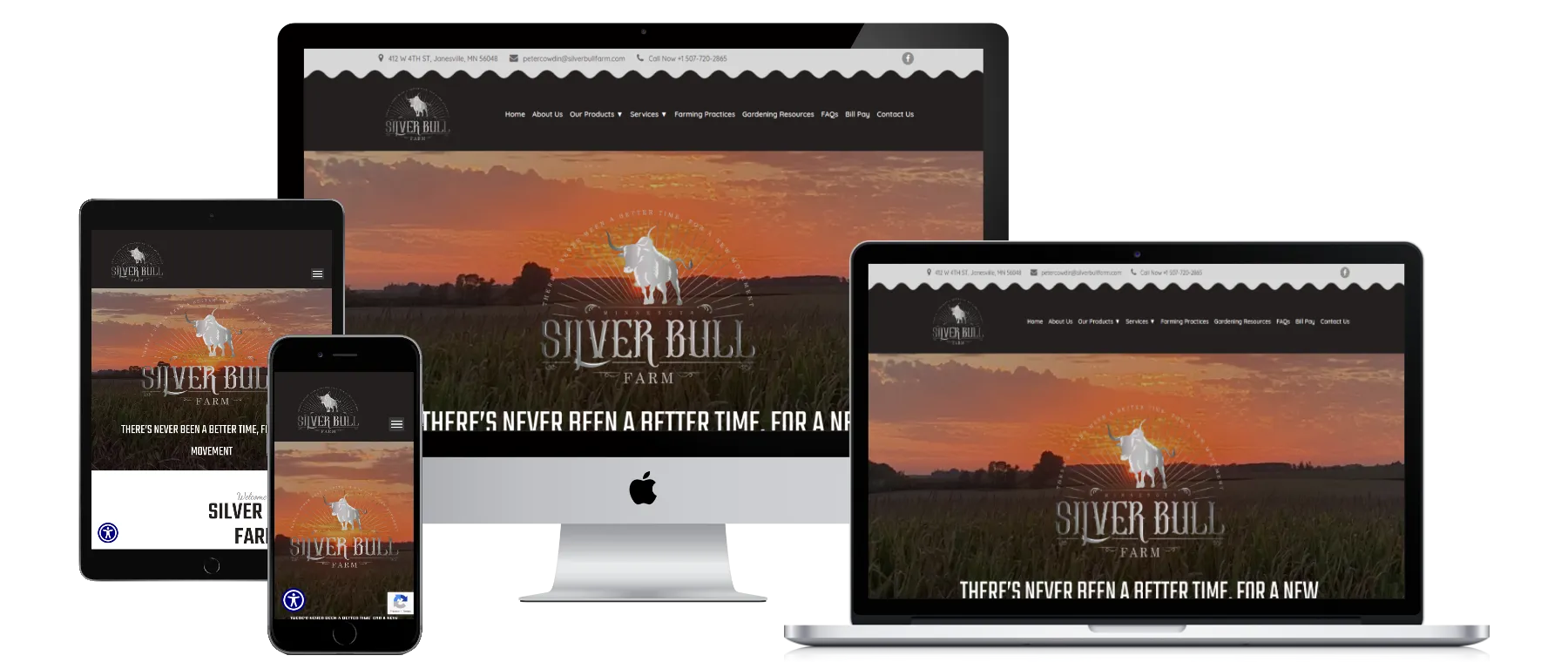
Retail Sales Web Design by Minnesota Design Studio that helps stores and e-commerce brands attract customers, boost conversions, and grow online sales.
In today’s competitive retail environment, your website needs to do more than look good—it needs to sell. At Minnesota Design Studio, we specialize in Retail Sales Web Design that turns ordinary websites into high-performing digital storefronts. Whether you operate a boutique shop, manage a nationwide e-commerce store, or run a multi-location retail chain, we help you create an online experience that connects with customers, builds trust, and drives measurable results. Your website should reflect your brand’s personality while making it easy for customers to browse, shop, and buy with confidence.
We design websites that function as your most effective salesperson—available 24/7 and built to deliver a seamless shopping experience. Every design element is crafted with intent, from intuitive navigation and product filtering to persuasive calls to action that encourage purchases. Our Retail Sales Web Design approach emphasizes clarity and speed, reducing friction at every step of the buyer’s journey. Product pages are designed to showcase your items with professional imagery, engaging descriptions, and clear pricing, all while maintaining a clean, user-friendly structure that converts visitors into paying customers.
In an age where first impressions happen online, your digital storefront needs to capture attention instantly. We blend eye-catching visuals with functionality that supports your business goals. Whether your customers are shopping on desktop, tablet, or mobile, your website will perform beautifully across every device. We focus on speed optimization, accessibility, and responsive layouts, ensuring that your site delivers a fast, reliable, and enjoyable experience for every user. Our websites are built with precision, ensuring smooth checkout processes and secure transactions that keep your customers coming back.
Beyond design, visibility plays a crucial role in online retail success. Our Retail Sales Web Design services include powerful SEO integration and e-commerce optimization strategies that help your products reach the right audience. We perform detailed keyword research to align your site with what your ideal customers are searching for—from specific product terms to local search phrases that increase foot traffic. By combining SEO with smart on-page design, we help your store rank higher in search engines and attract shoppers ready to buy.
We also understand that your website should grow alongside your business. That’s why every retail website we build is scalable, allowing you to easily add new products, update promotions, or expand into new markets. You’ll have full control over your content through an easy-to-use management system designed for efficiency. Our ongoing support and maintenance ensure your website remains secure, up to date, and optimized for continued success.
At Minnesota Design Studio, our goal is simple—to help retailers thrive online. We combine modern design, advanced SEO, and proven conversion techniques to create a digital space that truly represents your brand and motivates customers to take action. With professional Retail Sales Web Design, you’ll not only attract more visitors—you’ll convert them into loyal customers who return time and again. Let us help you build a website that sells smarter, performs faster, and grows stronger every day.
Designing Retail Websites That Drive Results
Every sale begins with a strong first impression. Our Retail Sales Web Design approach turns your website into a modern, high-performing storefront that invites customers to explore, engage, and purchase with ease. We design each site to blend visual style with real functionality, ensuring your products take center stage and your visitors enjoy a fast, seamless shopping experience from any device.
From home décor to apparel to specialty goods, every retail business deserves a website that reflects its brand personality. We create layouts that simplify navigation, display products beautifully, and make checkout effortless. Product photos, pricing, and descriptions are organized to inspire confidence and reduce friction, helping customers move naturally from browsing to buying without confusion or hesitation.
Performance matters just as much as design. That’s why our Retail Sales Web Design process includes responsive frameworks, optimized imagery, and mobile-first usability. Every detail is tested for speed, clarity, and conversion. With Minnesota Design Studio, you don’t just get an attractive online store—you get a powerful digital sales platform that supports growth, builds loyalty, and delivers measurable results.
Why Retail Businesses Choose Minnesota Design Studio
Retail businesses across Minnesota choose Minnesota Design Studio because we understand how to turn digital design into real-world sales. Our experience in Retail Sales Web Design combines strategic marketing, creative presentation, and technical precision to help stores of all sizes stand out online. We know what drives retail success—a user experience that feels effortless, trustworthy, and built to convert every visitor into a paying customer.
We approach every project with a focus on your brand identity and target audience. Our team takes the time to understand your products, customer behavior, and competitive environment before crafting a website that speaks directly to your shoppers. Each site is custom-designed to enhance product visibility, simplify the buying process, and create a lasting impression that keeps customers coming back.
Beyond design, we bring SEO and performance optimization to every retail website we build. This ensures your products appear where your customers are searching—on Google, mobile devices, and social platforms. With Minnesota Design Studio, your retail business gains more than a website; you gain a full-service digital partner dedicated to helping your brand thrive, engage shoppers, and increase revenue year after year.
Explore Our Digital Services for Retail Businesses
Strong online sales begin with more than a great website—they rely on the right combination of design, marketing, and branding. Minnesota Design Studio provides a full range of creative and technical services that help retail businesses grow their visibility, attract loyal customers, and deliver a seamless shopping experience across every device. Explore how our connected services can enhance your online store and support your long-term success.
Web Design
Custom websites designed to showcase your retail products, simplify navigation, and convert visitors into customers with ease.
SEO Services
Targeted SEO campaigns that drive qualified traffic to your store, helping you reach more customers and grow your online sales.
Graphic Design
Professional branding, packaging, and promotional design that give your retail business a polished, recognizable identity.
Start Building a Retail Website That Sells
Your website should be more than an online catalog—it should be a powerful sales engine that drives growth and builds lasting customer relationships. With professional Retail Sales Web Design from Minnesota Design Studio, your business can attract more visitors, convert more shoppers, and stand out in today’s competitive retail marketplace. We design with purpose, creating online experiences that engage customers and inspire action.
From custom layouts and mobile optimization to SEO and product strategy, we handle every detail to ensure your website performs flawlessly. Each project is built around your goals and your customers’ needs, providing a seamless experience that encourages repeat business. Our process is transparent, efficient, and tailored to deliver measurable results you can count on.
Now is the time to take your retail business to the next level. Contact Minnesota Design Studio today to start your Retail Sales Web Design project and discover how a beautifully designed, search-optimized website can help you increase sales, grow your brand, and create lasting customer loyalty.
Get A Free Quote
If you would like to get in touch with us, please contact us by filling out the form below or by calling. We will be happy to address any of your questions or concerns.